

From Waste to Wealth: Creamson Technology Is Building a Circular Future in Nigeria

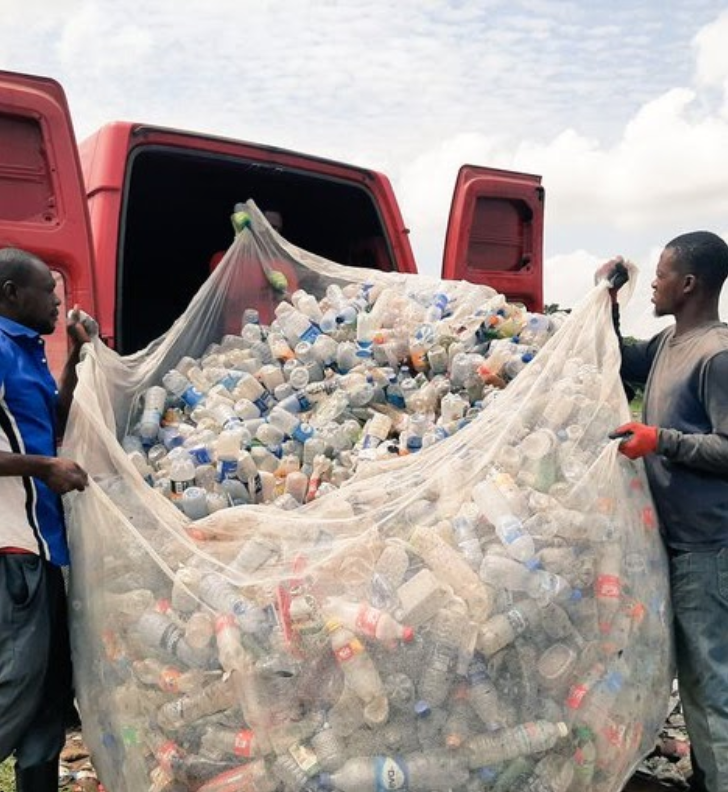
In Northern Nigeria, plastic waste piles up on streets while local manufacturers shut down because they can't afford imported raw materials. Engr. Wilson James Toro saw both problems and realised they were actually one solution.
The defining moment came during a visit to a local plastic moulding business in Bauchi that had temporarily shut its doors. The reason: imported virgin plastic had become too expensive.
A few kilometres away, plastic waste was piling up in streets, drains, and open fields, causing flooding and health risks in the surrounding community.
"We had a local problem and a local solution," says Engr. Wilson James Toro, founder of Creamson Technology Ltd. "But no one had connected the dots."
That realisation became the foundation of his startup. Creamson Technology collects waste plastics, processes them into recycled feedstock, and supplies local bottle manufacturers with a more affordable alternative to imported virgin plastic, tackling pollution and production costs in a single value chain.
Building From the Ground Up
Wilson didn't start with a pitch deck. He started with conversations.
His first step was going directly into communities to understand how plastic waste was being managed or mismanaged and speaking with waste collectors, recyclers, and small-scale manufacturers about the supply chain challenges they faced daily.
"This research-led, community-driven approach helped me build a solution that was not only environmentally impactful but also economically viable and socially inclusive," he explains.
With approximately ₦1.5 million sourced from personal savings and family support, he set up a basic collection and sorting system, partnered with informal waste pickers, and rented rather than bought equipment to keep costs lean. Early revenue was reinvested directly back into operations. Grants and pitch competition winnings followed, bringing total funds raised to date to approximately ₦24 million.
Launching around the pandemic period added pressure but also clarity. Rising plastic waste from disposable PPE and packaging created more urgency, while widespread unemployment made the case for community employment even stronger.
"That period taught us resilience and shaped our business to be lean, community-focused, and adaptable," Wilson says. "Today, those foundations have made our model stronger and more relevant than ever."
The Impact That Matters Most
Ask Wilson about his proudest moment, and he doesn't mention a funding milestone or a product breakthrough.
He talks about a group of young women from a conflict-affected community who were trained and employed as skilled waste collectors and recyclers.
"Seeing them not only earn a sustainable income but also gain confidence and a sense of purpose was incredibly rewarding," he says. "That moment made me realise our startup isn't just about recycling plastic, it's about transforming lives."
Creamson measures its impact across three dimensions: environmental (tons of plastic diverted from streets and waterways), social (youth and women trained and employed), and economic (cost savings delivered to local manufacturers using recycled feedstock instead of imported virgin plastic).
Navigating African Startup Realities
Building in Northern Nigeria comes with familiar challenges, limited early-stage capital, infrastructure gaps, unreliable electricity, and the constant work of educating a market on the value of recycled materials.
During the funding slowdown, Wilson leaned into what he could control: deepening relationships with manufacturers, securing purchase agreements for feedstock, tightening operations, and expanding training programmes that opened access to grants and non-dilutive support.
"Focus on solving real problems, not just building a business," is the mentor advice he returns to most. "When you genuinely address a pressing need, the business and opportunities naturally follow."
His advice to other young Africans building in the circular economy space is just as grounded: start with empathy, stay lean, prioritise impact alongside profit, and invest in people.
"Strong community ties and trust are your greatest assets," he says.
What's Next
Pitching at the AfricArena Grand Summit gave Creamson Technology visibility with a global network of investors and ecosystem builders, refining the company's positioning and opening conversations with potential partners.
Looking ahead, Wilson's vision is to scale into a leading circular economy player across West Africa, expanding the collection network, upgrading processing technology, and deepening vocational training for youth and women. In 2026, the company is seeking $100,000 to accelerate that growth.
The mission, though, remains exactly what it was at the start: prove that turning waste into wealth is not just possible in Africa, it's one of the most practical and powerful opportunities the continent has.
Want to Be Part of the Next Big Thing?
Whether you’re a startup founder looking to raise capital, a corporate ready to collaborate, or just someone who loves being in the room where Africa’s future happens, we’ve got a seat for you.
Apply to the AfricArise Program: pitch at one of our regional summits and get access to investors, partners, and accelerators across the continent.
AfricArena is heading to Europe in June, join us for the first Amsterdam Summit 2026, June 15.
Because in the AfricArena network, one connection can change everything.
Explore African startup stories at africarena.com Learn more at sites.google.com/view/creamsontech/home

Comments